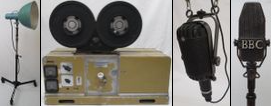
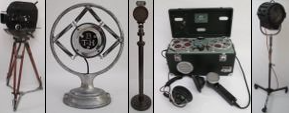

The following range of microphones can also be supplied with authentic stands, cables and connectors.
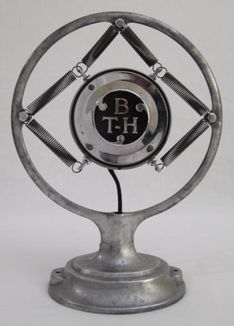
Circa: Early 1920's - Early 1930's
Large desk-top microphone used in the earliest days of the B.B.C for Radio broadcasting.
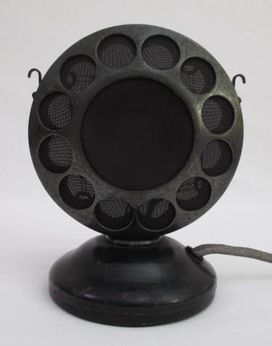
Circa: Early 1920's - Early 1930's
Used in early radio broadcasting , film sound and recording studios often seen in pictures of jazz bands and orchestras of the 20's.

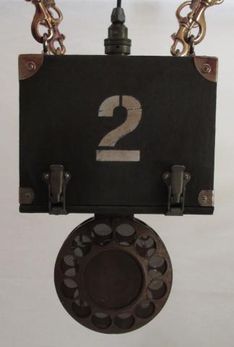
Circa: Mid 1920's - Early 1930's
Used on the world first ever sound films or "Talkies" These mics were suspended on ropes above the studio floor.
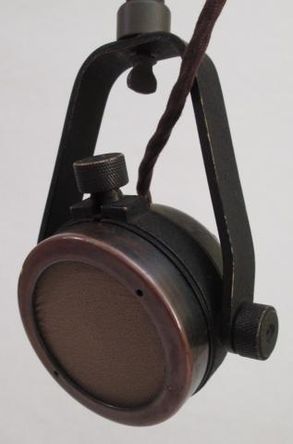
"Overhead" Version
Used in recording studios and lowered over the band/orchestra, also boom mounted for motion picture sound
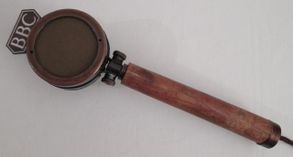
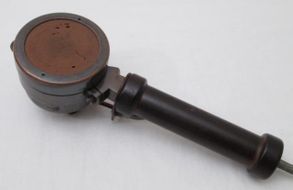
"B.B.C Handheld" Version
Used for news reporting during WW2, continued in use by the BBC until the late 1950's.
Similar handled versions were also used by Pathe and Movitone News, etc.
Circa: Early 1930 - Late 1950's
One of the most versatile and widely used
broadcast microphones of its time, from, news, radio, motion picture
sound and recording studios this microphone captured it all.
It can be seen here in various guises for its many applications.
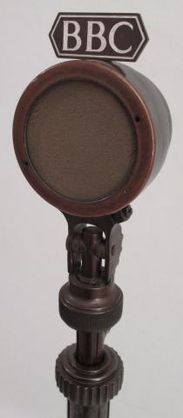
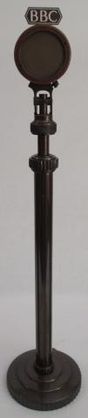
"B.B.C Table Stand" Version
Taken out on O.B's before and during WW2 and can be often seen in photos and newsreel footage of Neville Chamberlain and Sir Winston Churchill
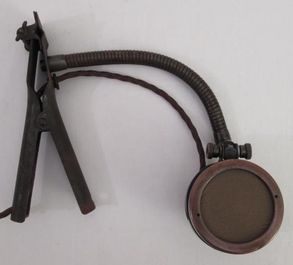
"Clamp-On" Version
Ideal for cramped and confined spaces or for positioning the mic off-camera
"Movietone News" Microphone badge
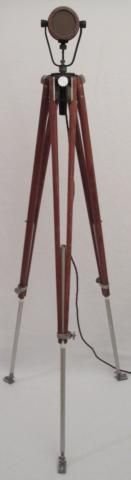
"Tripod" Version
Used by Pathe and Movietone news crews, lighter and easier to set up than a mic stand, useful for interviews and announcements or at an event where and overall sound needed to be captured such as a crowd at a parade
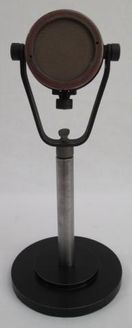
"Table Stand" Version
For interviews , commentating or annoncments
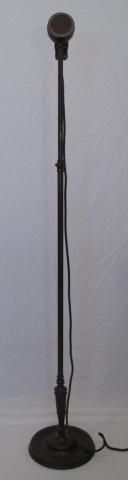
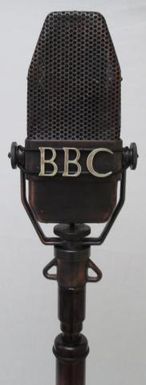
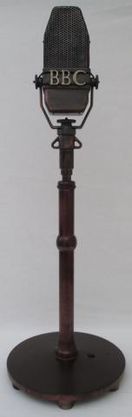
Circa: Early 1930's - Late 1950's
Iconic microphone, recognisable the world over as a symbol of the B.B.C, often seen in publicity photographs.
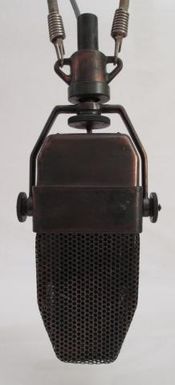
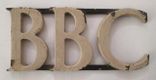
B.B.C Microphone Badge
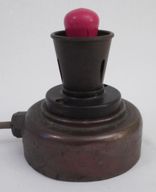
1930's B.B.C Cue Light
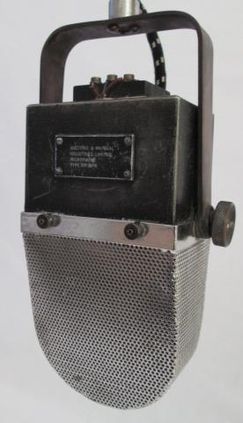
Circa: Early 1930's - Present Day
Extremely rare EMI microphone, only 3 are known to exist the other 2 are owned by Abbey Road Studios and are still used to this day for recording.
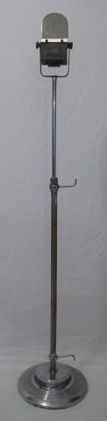
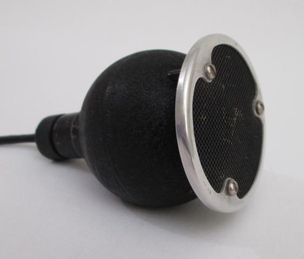
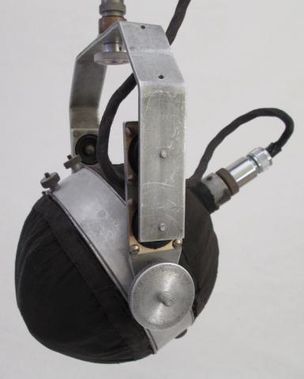
"Overhead Boom" Version
Used for motion picture sound and in recording studios
Circa: Early 1930's - Late 1960's
Another one of the most popular microphones of its time, which had multiple uses in its different forms.
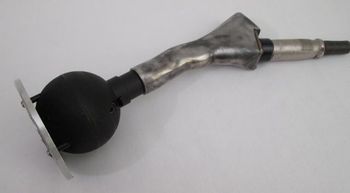
"Handheld" Version
Used by B.B.C Radio OB's, Pathe and Movietone News for interviews
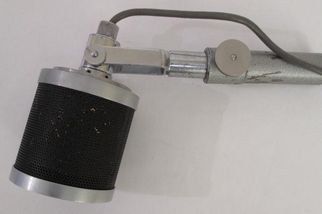
"Caged Windsheild" Version
Used on a boom pole for location recording of motion picture sound
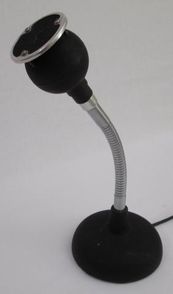
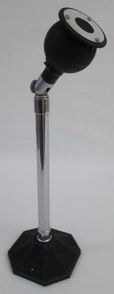
|
"Gooseneck" Version |
"Stand" Version |
|
Used by B.B.C Radio as a talkback microphone between the studio and control room |
Used by B.B.C Radio, Pathe, Movitone News and also as a public address microphone |
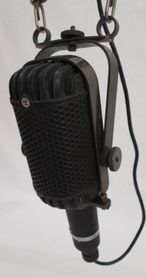
Circa: Mid 1940's - Late 1960's
Versitle microphone and widely used in radio, film, television and the recording industry.
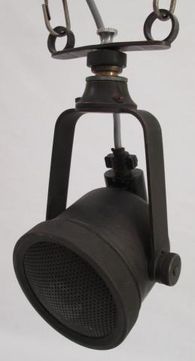
Circa: Early 1930's - Mid 1950's
"Overhead" Version
Used in radio stations for announcing, recording studios for suspending over an orchestra or boom hung for motion picture sound
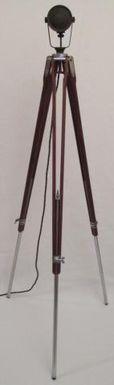
"Tripod" Version
Used by Pathe and Movietone news crews, lighter and easier to set up than a mic stand, useful for interveiws and announcements or at an event where and overall sound needed to be captured such as a crowd at a sporting event
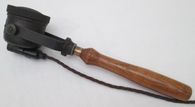
"Handheld" Version
Used for Radio OB's, Pathe and Movietone News for interviews
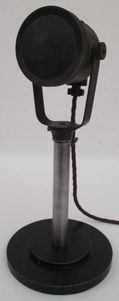
"Stand" Version
Ideal for interviews or announcing
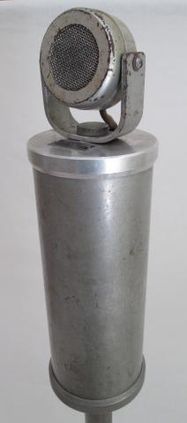
Circa Early 1930's - Mid 1940's
Large German WW2 / Nazi era microphone, used for radio broadcasting, public address, studio recording and motion picture sound.
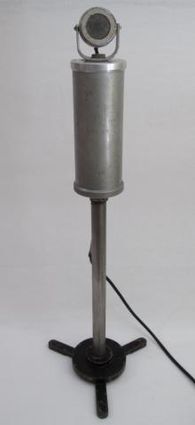
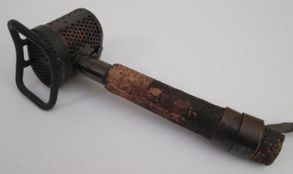
Circa: Late 1930's - Mid 1950's
Handheld ribbon microphone that was used for radio O.B's in noisy environments such as a sporting event where the sound of the crowd needed to be cancelled out.
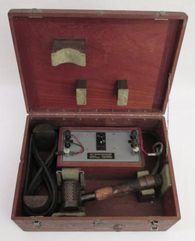
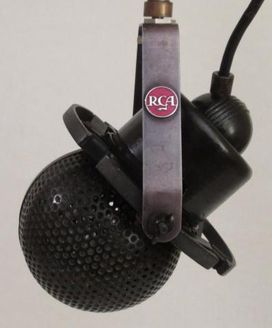
Circa: Late 1930's - Late 1940's
Ex Shepperton Studios boom microphone used for both film sound and music recording.
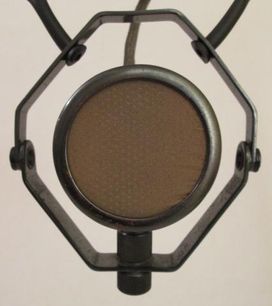
Circa: Early 1940's - Mid 1950's
General purpose microphone that was a cheaper alternative to an STC 4017. Used by the B.B.C, military and government offices.
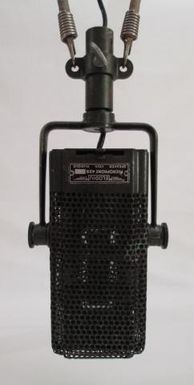
Circa: Early 1940's - Early 1960's
During WW2 French radio stations were unable to purchase any of the high quality American broadcast microphones such as the R.C.A 44, so they designed and built their own, the Melodium proved so successful for radio, recording and motion picture that it was used for a for a further 20 years.
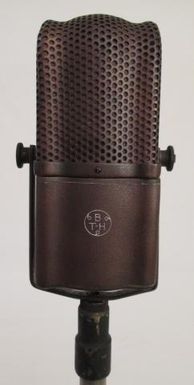
Circa: Mid 1940's - Late 1950's
Huge and extremely rare microphone, ex London Palladium used for public address within the theater and is of exceptional sound quality.
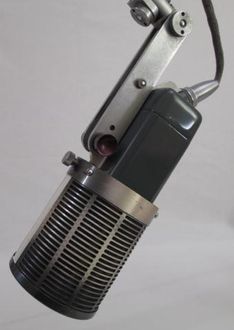
Circa: Late 1940's - Late 1960's
Ex Pinewood Studios Sound Dept microphone that is of exceptional sound quality, used for both film sound and music recording
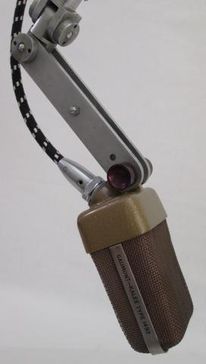
Circa: Late 1940's - Late 1960's
Ex Pinewood Studios Sound Dept microphone that is of exceptional sound quality, used for both film sound and music recording
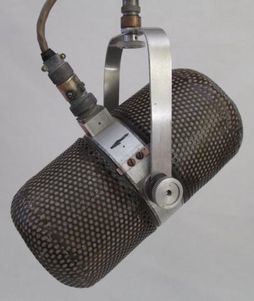
Circa: Early 1950's - Late 1960's
Ex Pinewood Studios Sound Dept microphone that is of exceptional sound quality, used for both film sound and music recording
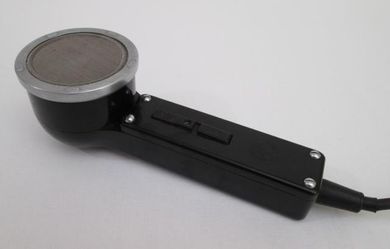
Circa: Mid 1950's - Late 1960's
Often seen in old Pathe and B.B.C Newsreels, these robust bakelite microphone were used for interviewing and commentating
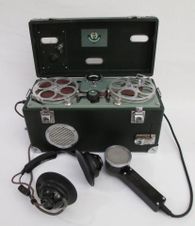
E.M.I Portable Recorder
(often used with this mic)
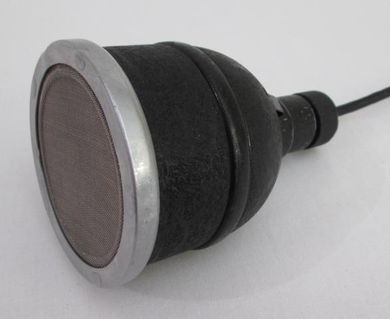
Circa: Mid 1950's - Late 1960's
Small general purpose microphone that were mainly used by the B.B.C and Newsreel companies for O.B's, interviews. Also suited for public address.
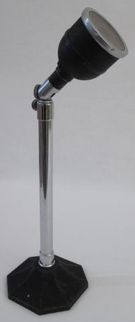
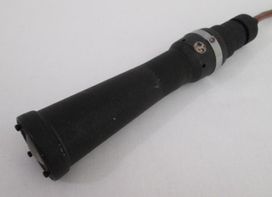
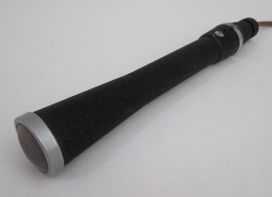
Circa: Mid 1950's - Late 1970's
Handheld microphones, that were primarily designed to be used in the television industry. Can often be seen in old footage being used by News reporters and Gameshow hosts.
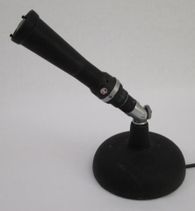
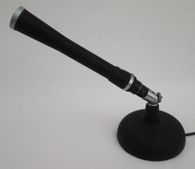
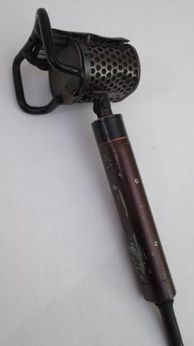
Circa: Mid 1960's - Present day
Handheld commentators microphone, for use in
places with high levels of background noise such as a football match.
A modern version of this mic is still produced to this day
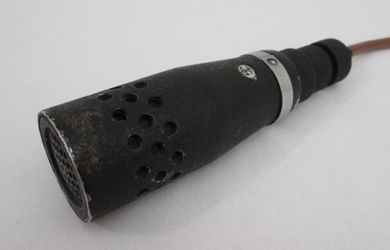
Circa: Mid 1950's - Mid 1970's
Small unobtrusive microphone that was used for sound reinforcement, basically it picked up everything around it and was useful for atmospherics
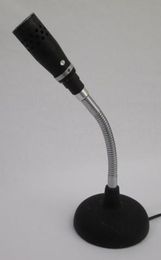
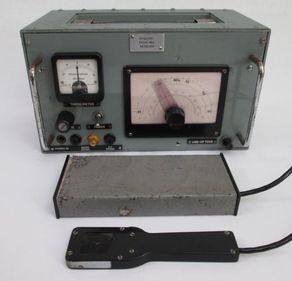
Circa: Mid 1960's - Early 1970's
Small belt-clip microphone and transmitter box that was used internally in B.B.C television studios which enabled the producer up in the gallery to talk to the crew down below on the studio floor.
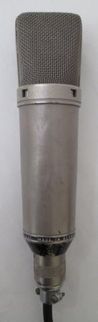
Circa: Mid 1960's - Present Day
Without a doubt one of the best vocal and
recording
microphones ever made, used by every major film, television, radio and recording studio around the world.
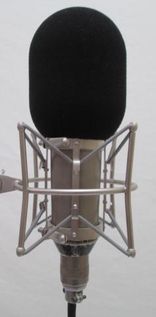
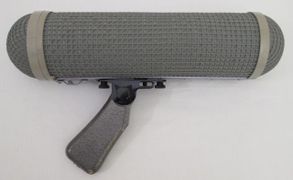
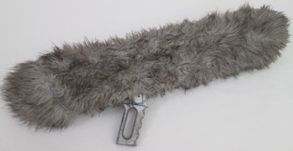
Circa: Late 1960's - Present Day
After their release in the late 60's the MKH series of microphones were adopted worldwide as the industry standard boom microphones of the film and television industry and still are today.
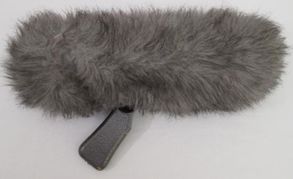
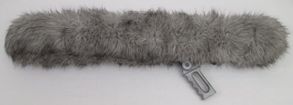
More to come, please visit again soon.....